European Event on Deep Brain Stimulation at the National Department of Neurosurgery, CHL
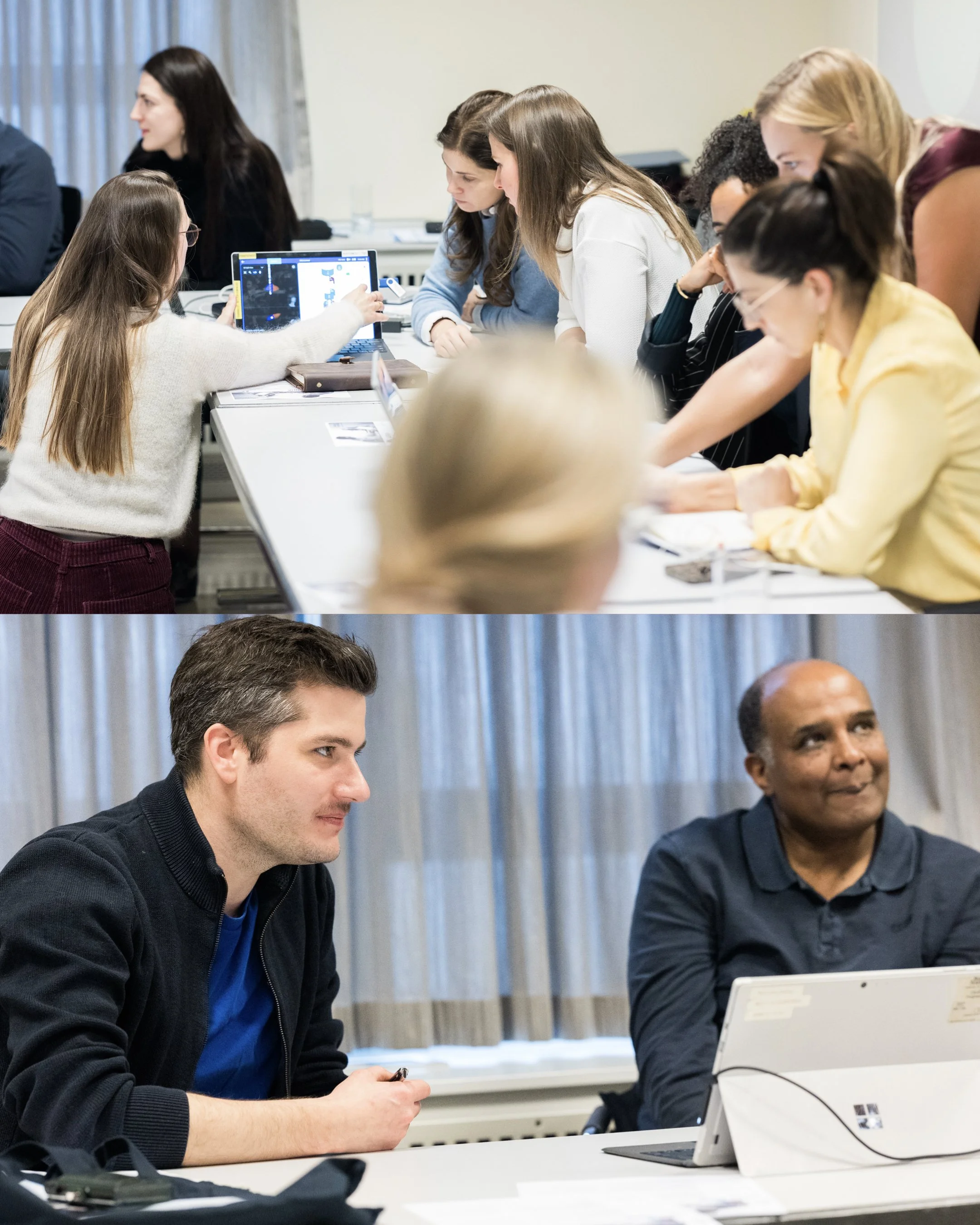
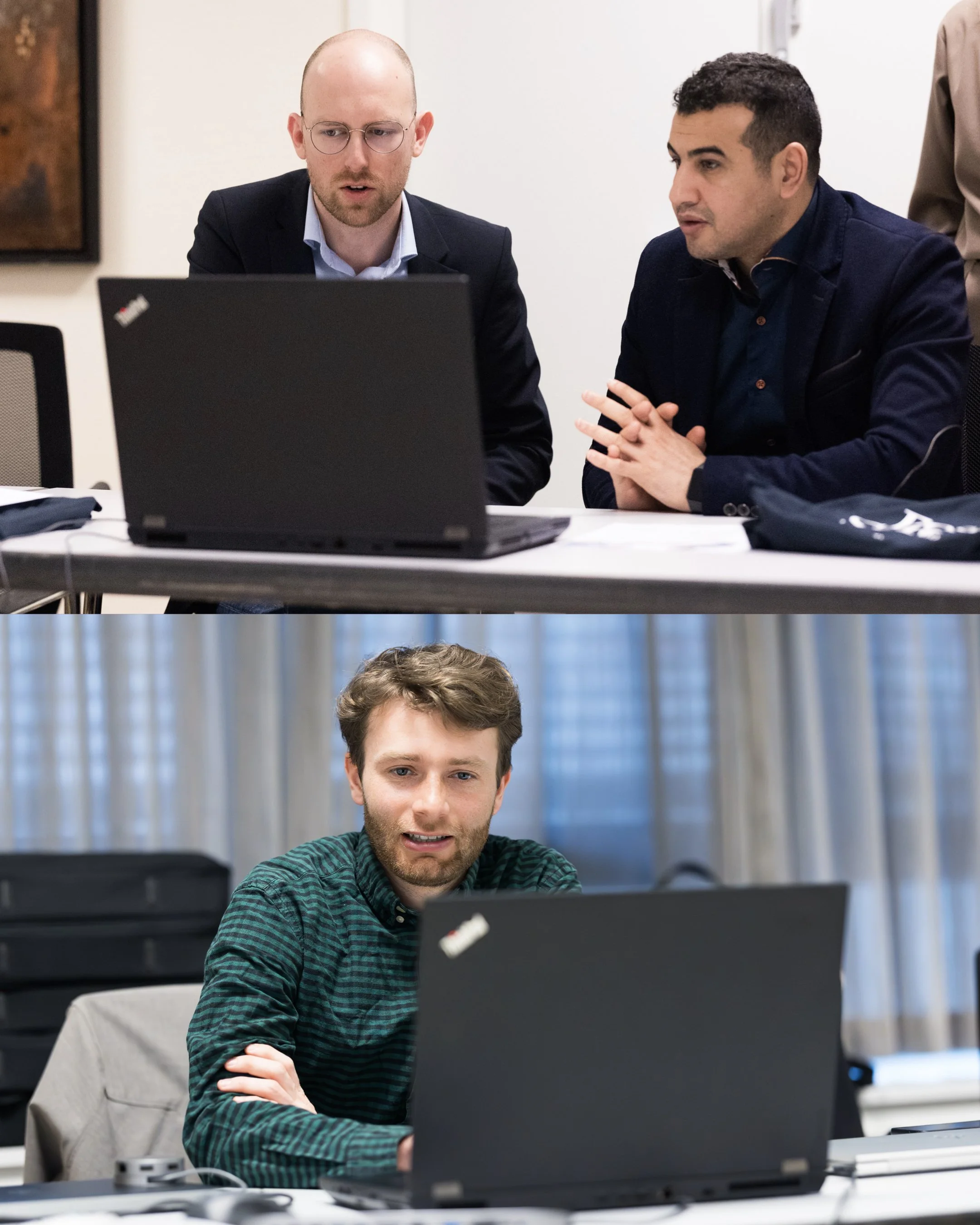
On March 12–13, 2026, the Centre Hospitalier de Luxembourg (CHL) hosted an international symposium with a hands-on workshop dedicated to Deep Brain Stimulation (DBS) at the National Department of Neurosurgery. The event brought together neurosurgeons, neurologists, and Parkinson’s nurses for two days of scientific exchange and practical training focused on current developments in this highly specialized field.
Deep Brain Stimulation involves stereotactic surgical procedures in which electrodes are implanted in the brain and connected to programmable neurostimulators. The National Department of Neurosurgery at CHL has extensive experience in this domain and is among the most established centers in Europe, with more than 25 years of DBS practice and over 800 implanted patients. Physicians from CHL are also involved in a cross-border collaboration with the clinic in Idar-Oberstein, Germany.
In addition to its clinical expertise, the team has maintained a high level of research activity in the field for more than 15 years. Among its contributions are computer algorithms developed in Luxembourg that have become the basis for more than 500 high-level scientific publications worldwide. Ongoing collaborative projects with the Luxembourg Institute of Health (LIH) and Luxembourg-based companies are also exploring systems for therapy guidance using wearable electronic sensors.
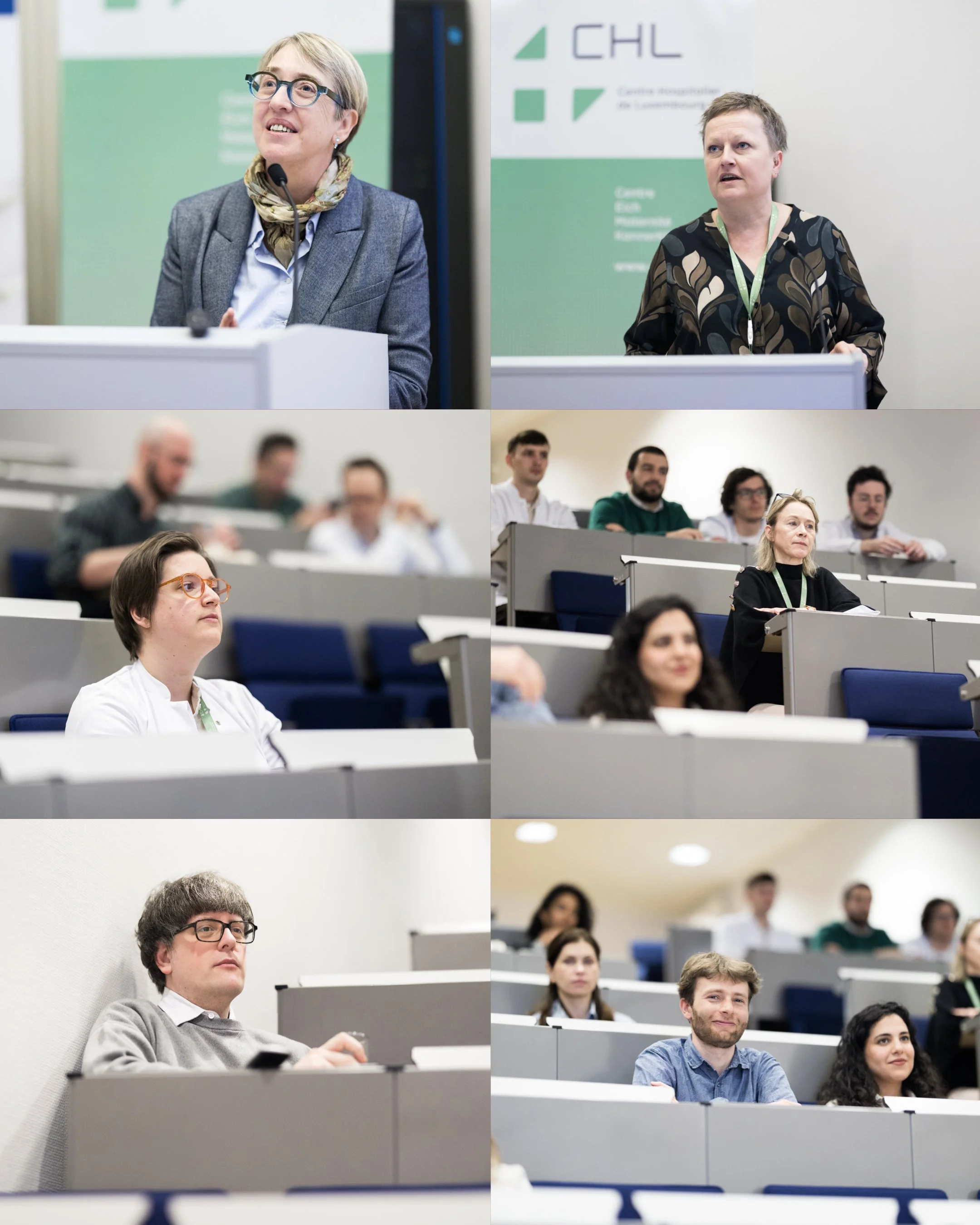
The symposium welcomed more than 60 participants from Luxembourg, the Netherlands, England, France, Germany, Belgium, and Italy. The scientific program included overview lectures on current concepts in personalized medicine and connectome-based DBS therapies for movement disorders such as dystonia, tremor, and Parkinson’s disease, as well as for psychiatric disorders including obsessive-compulsive disorder, anorexia/bulimia, and depression, and for epilepsy.
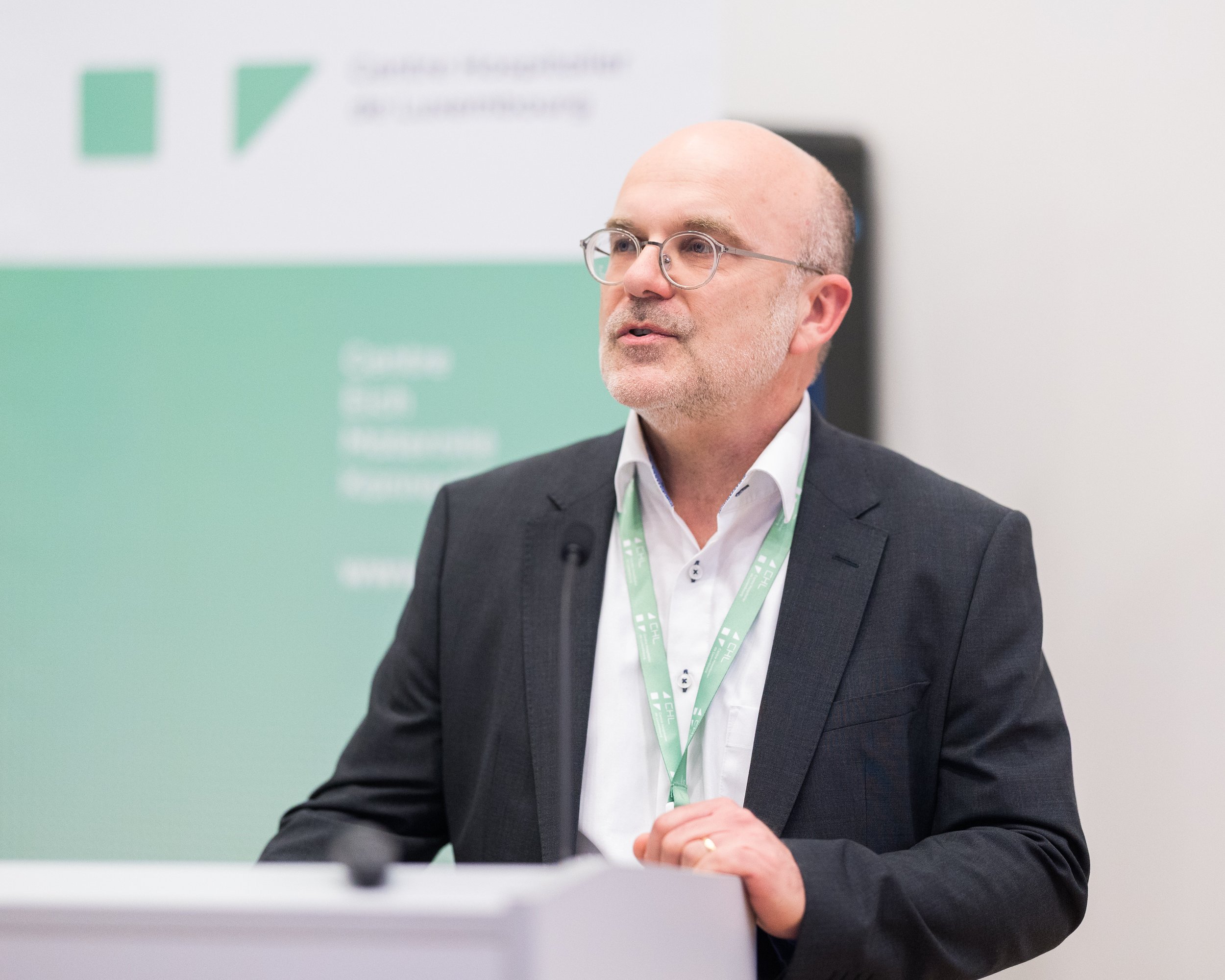
The meeting opened with contributions from Dr Françoise Liners, Director of Health Innovations at Luxembourg’s Ministry of the Economy, who presented the national strategy for supporting application-oriented research projects and integrating innovative domestic companies from the health and digital sectors. Dr Marianne Becker, Director of the CHL Research Unit, further outlined the role of Luxembourg hospitals, and particularly CHL, in these research and innovation strategies.
A research group collaborating with the CHL team from the Leibniz Institute at the University of Magdeburg presented on the cognitive and learning effects of Deep Brain Stimulation. A group from Nijmegen shared the latest advances in image-guided programming of neurostimulation devices.
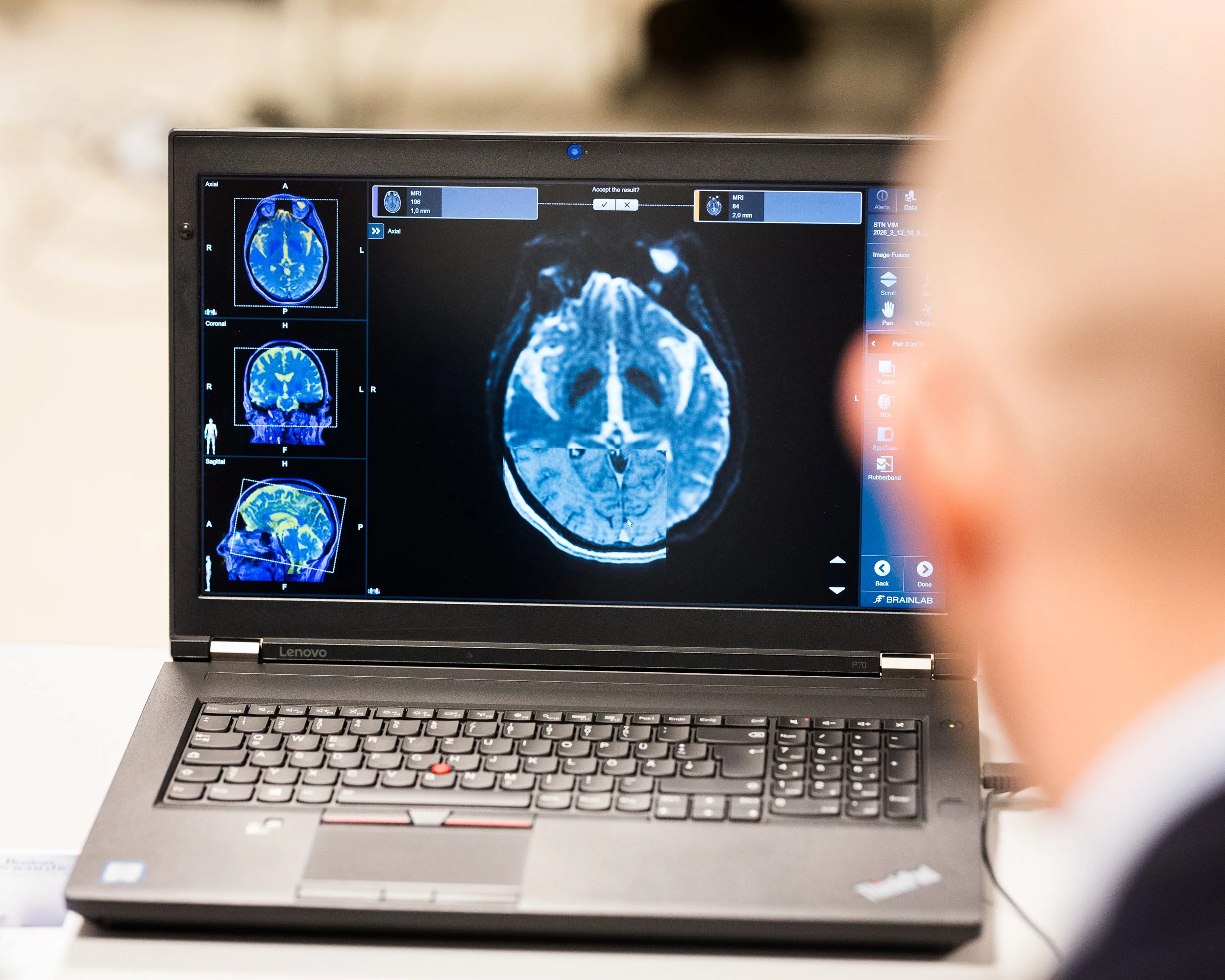
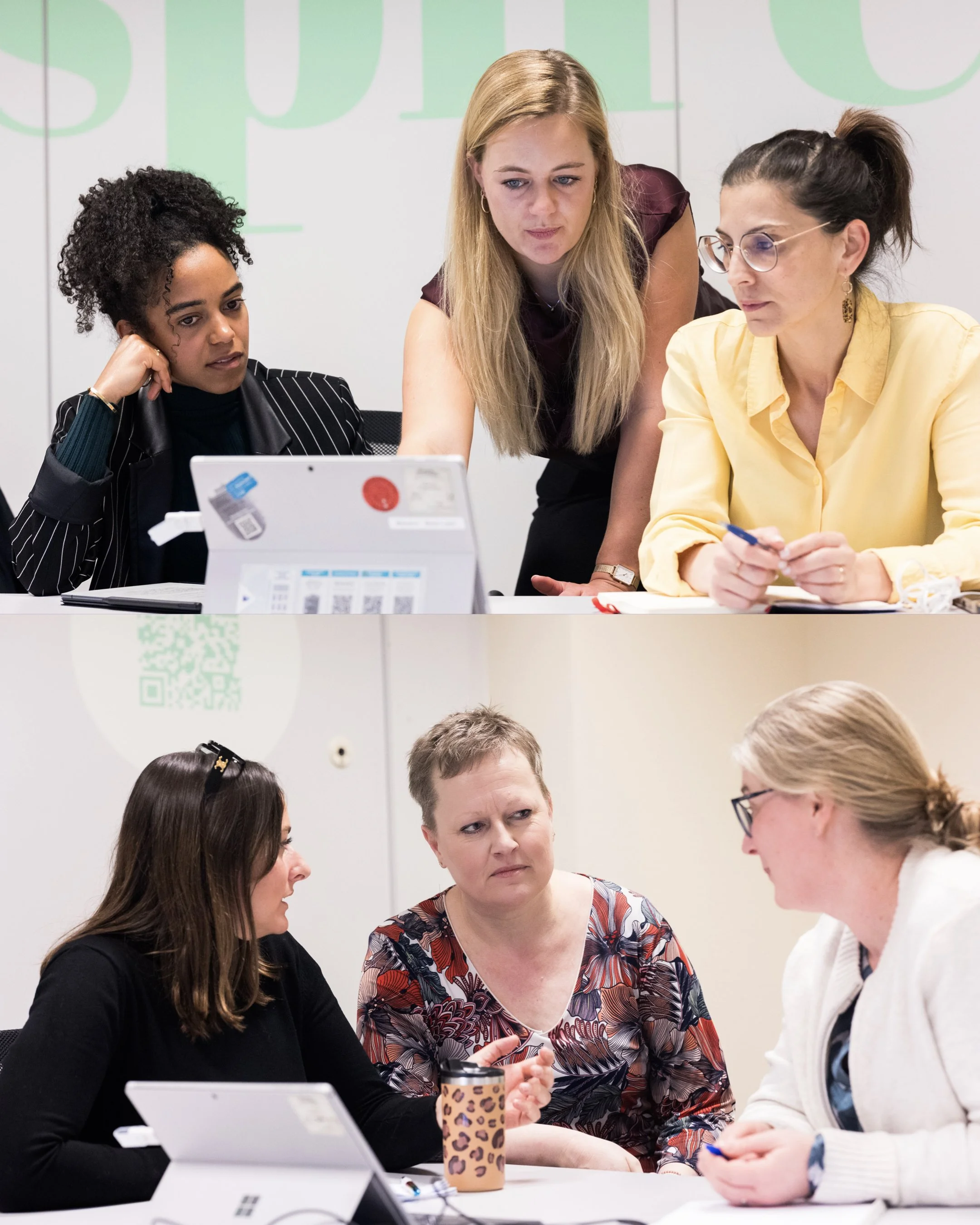
During the workshop, the CHL team demonstrated key aspects of surgical planning using state-of-the-art intraoperative 3D imaging. In the field of stereotactic surgery, the group has developed one of the world’s largest bodies of experience with these techniques. Nurses from Parkinson networks across Luxembourg hospitals also took part in practical sessions on system programming, an initiative expected to further strengthen patient care in the country.
The symposium provided an opportunity for neurosurgeons, neurologists, and nursing professionals to learn and deepen their understanding of the latest techniques in Deep Brain Stimulation. It also fostered new professional connections and laid the groundwork for additional collaborative projects at both national and international levels.